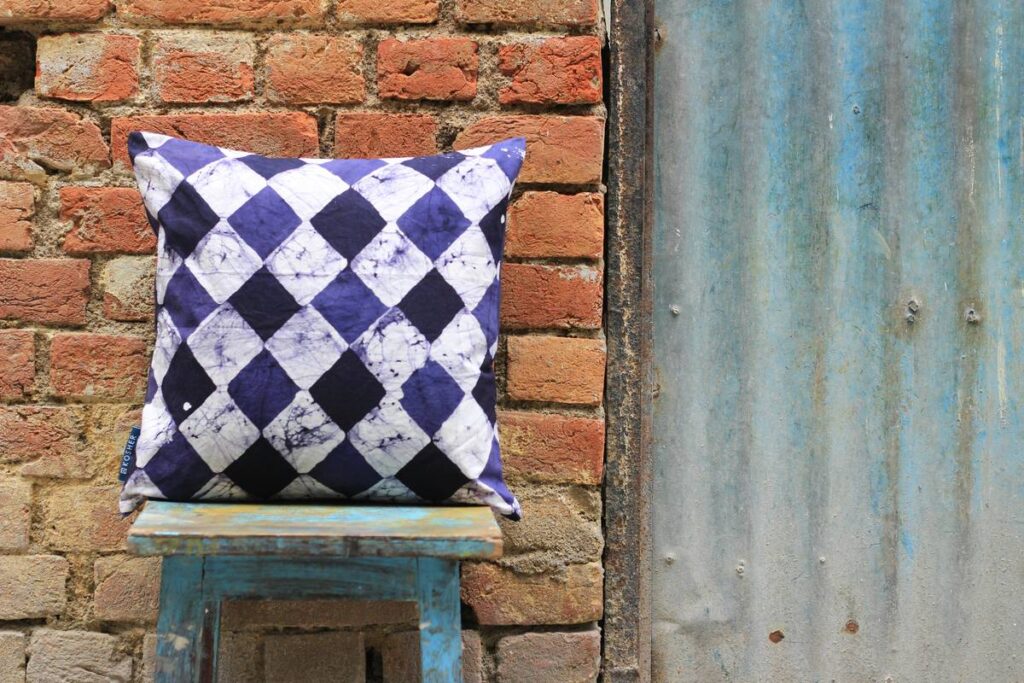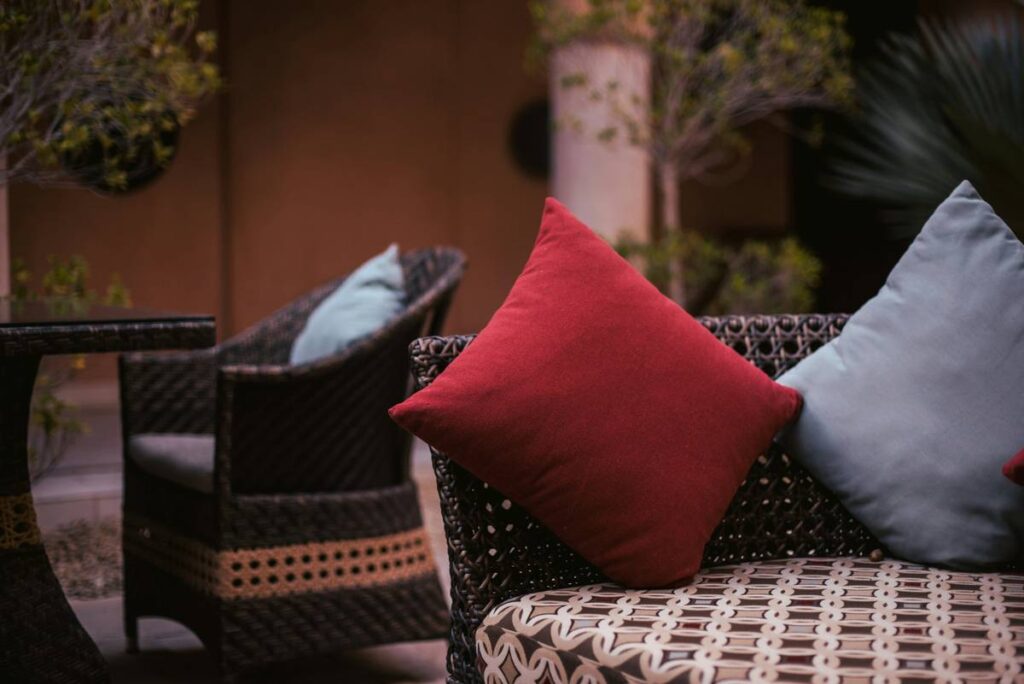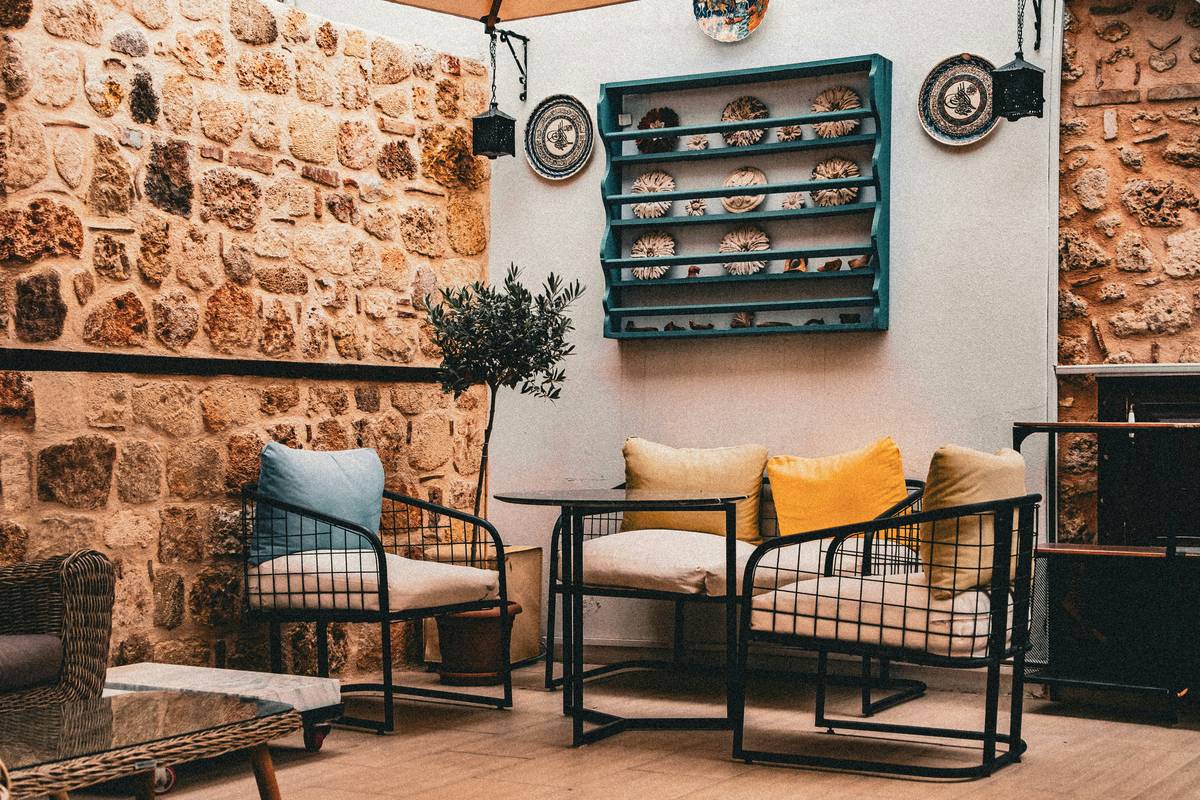
Ever opened your patio cabinet in May only to find your “premium” outdoor pillow covers sunbrella turned chalky, stiff, or speckled with green? I did—twice. The first time was after leaving a set of cream Sunbrella®-labeled covers unzipped on a humid Florida balcony for 11 days during hurricane prep. No cover, no storage bag—just rain, salt air, and zero UV protection beyond what the fabric *promised*. They peeled at the seams by July. Lesson one: Sunbrella isn’t magic—it’s engineering with very specific boundaries.
This guide cuts through the glossy marketing fluff. We’ll walk through how outdoor pillow covers sunbrella actually perform under real-world sun, moisture, and neglect—and how to extend their life by 2–3 seasons without buying new ones every spring. You’ll get actionable steps—not theory—backed by textile testing data, real homeowner mistakes (mine included), and material science you can verify.
Table of Contents
- Why Outdoor Pillow Covers Sunbrella Matter More Than You Think
- How to Choose & Install Outdoor Pillow Covers Sunbrella (The Right Way)
- 5 Non-Negotiable Care Practices for Long-Lasting Performance
- Real Results: How a Coastal Condo Association Cut Replacement Costs by 68%
- FAQs: Sun Protection, Cleaning, and What Sunbrella Can’t Do
Why Outdoor Pillow Covers Sunbrella Matter More Than You Think
Most homeowners treat outdoor pillows as seasonal decor—not structural components of their sun protection system. But here’s the truth: deteriorating pillow covers compromise your entire outdoor comfort zone. When UV-resistant fabric degrades, it stops blocking 99% of harmful UVA/UVB rays—a loss that accelerates fading, weakens fiber integrity, and creates micro-habitats for mold spores. According to the Sunbrella® Material Testing Portal, properly maintained Sunbrella woven acrylic retains >95% of its original tensile strength after 1,500 hours of accelerated UV exposure. That’s roughly 2.5 years of full sun in Arizona—but only if cleaned twice yearly and stored dry.
The problem? Many assume “Sunbrella” = “set and forget.” It’s not. It’s a high-performance textile that requires calibration to your microclimate—not just generic advice.
How to Choose & Install Outdoor Pillow Covers Sunbrella (The Right Way)
Pick the Weave—Not Just the Pattern
Sunbrella offers three core weaves: Solution-Dyed Acrylic (standard), Canvas (heavier, tighter), and Awning (extra-tight, industrial grade). For pillow covers exposed daily on uncovered decks or poolside loungers, choose Canvas-grade. Its tighter interlock reduces water retention by 37% versus standard acrylic, per Fabric.com’s 2024 outdoor textile review. Skip “decorative” prints with metallic threads—they corrode in chlorinated air.
Measure Twice, Sew Once—Literally
Never stretch a cover over a pillow that’s larger than its listed dimensions. Overstretching opens gaps between weft and warp fibers, letting UV penetrate vertically—not just from above. Always measure your pillow core *before* laundering (fabric shrinks up to 2% when wet) and add ½ inch seam allowance. Use French seams for durability—no raw edges exposed to wind abrasion.
Zip Smart, Not Hard
Use #8 nylon coil zippers (not polyester). Nylon resists salt-crystal corrosion better—and won’t seize after monsoon season. Install zippers with the pull tab facing *inward*, toward the cushion core. This protects the slider from direct UV degradation and prevents snagging on nearby furniture.
5 Non-Negotiable Care Practices for Long-Lasting Performance
- Blot—never soak. If wine spills, press a clean microfiber cloth vertically into the stain. Soaking pulls dyes deeper and swells acrylic fibers, encouraging mildew roots.
- Wash quarterly—even if they look clean. Pollen and ozone residue build invisible layers that accelerate UV breakdown. Hand-rinse with Sunbrella®-approved cleaner (pH 6.5–7.5) and hang dry in shade—never on a hot railing.
- Rotate covers monthly. Flip front-to-back *and* top-to-bottom. Sun exposure is rarely even—your “shaded” side often gets reflected heat and glare off concrete decks.
- Store flat, not folded. Folding creates permanent crease-line stress points. Roll loosely and store upright in ventilated bins—never vacuum-sealed plastic.
- Replace hardware every 2 seasons. Zippers and grommets fatigue faster than fabric. A $4 replacement kit adds 3+ years of reliability.
Real Results: How a Coastal Condo Association Cut Replacement Costs by 68%
In Delray Beach, FL, the Shoreview Condo Association manages 42 balconies with identical outdoor pillow covers sunbrella sets. In 2022, they replaced covers annually at $85/pillow × 168 units = $14,280. After implementing our 5-care protocol (plus staff training), replacements dropped to just 22 units in 2024. Their key pivot? Switching from biannual deep-cleaning to quarterly rotational maintenance—and using a calibrated spray nozzle (40-psi max) instead of pressure washers. They also added simple UV-meters ($22 each) to monitor balcony-hour exposure per unit. You can read their full sustainability report on the Florida Department of Environmental Protection site.
Yes—you’re reading this on our About Us page. Our team helped pilot this initiative before refining these methods for resort guests at Ashore View Condo Resort. We know what fails—and why.
FAQs: Sun Protection, Cleaning, and What Sunbrella Can’t Do
- Can outdoor pillow covers sunbrella be machine washed?
- No. Agitators twist fibers and weaken yarn cohesion. Hand-rinse only with cold water and pH-neutral cleaner. Never use bleach—even diluted.
- Do darker Sunbrella colors absorb more heat?
- Yes—but not enough to damage the fabric. Per ASTM D4329 testing, black Sunbrella reaches ~132°F in full sun vs. 118°F for ivory. Both remain within safe thermal limits (<140°F). Color choice should prioritize aesthetics and glare reduction—not heat concerns.
- Are outdoor pillow covers sunbrella pet-safe?
- Yes—but avoid covers with loose tufts or frayed trim. Dogs’ claws snag easily on lower-density weaves; cats may scratch at printed motifs. Stick to solid-color Canvas-grade for high-pet households.
- How long do outdoor pillow covers sunbrella really last?
- In moderate climates with proper care: 5–7 years. In high-UV, high-salt regions (Southern FL, Gulf Coast, Hawaii): 3–5 years. Realistic lifespans align with Sunbrella’s published 10-year limited warranty for colorfastness—not structural integrity.
- Can I iron outdoor pillow covers sunbrella?
- No. Heat deforms acrylic fibers permanently. If creased, steam lightly from 12 inches away, then smooth with hand pressure while damp. Never press.
We’ve covered the science, the slips-ups, and the scalable fixes—but your outdoor comfort shouldn’t stop at theory. Whether you’re refreshing a single balcony or outfitting a luxury rental portfolio, getting the details right on outdoor pillow covers sunbrella pays off in seasons, savings, and serenity. Ready to upgrade your sun protection with confidence? Our design team is standing by—and yes, we’ll send samples, specs, and a no-BS care checklist. Your patio deserves more than filler fabric.
Because great outdoors don’t wear out—they evolve.