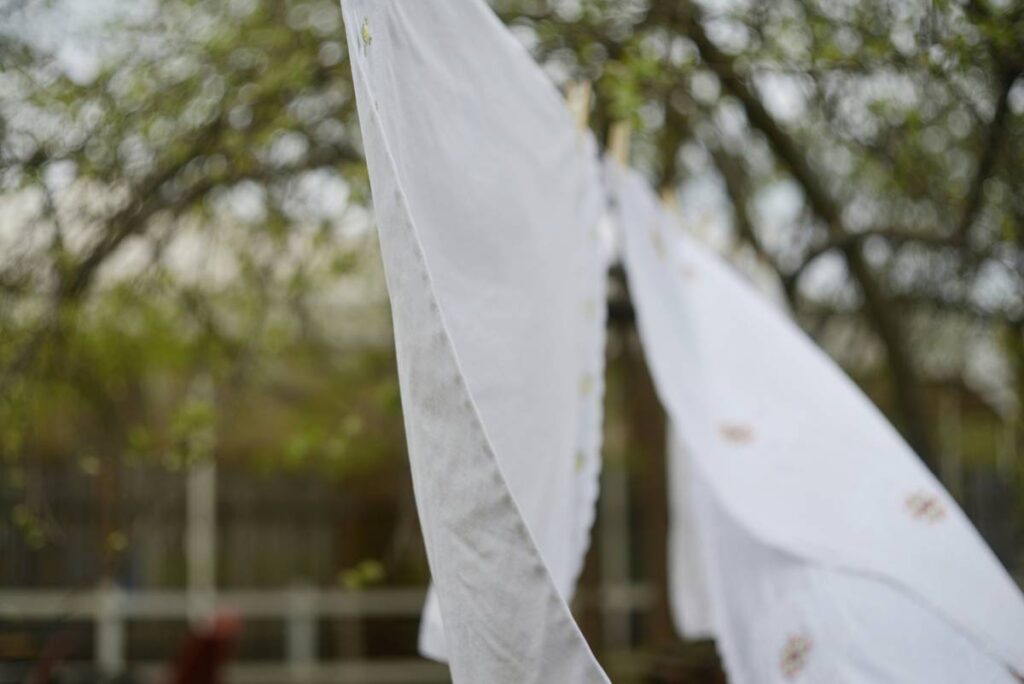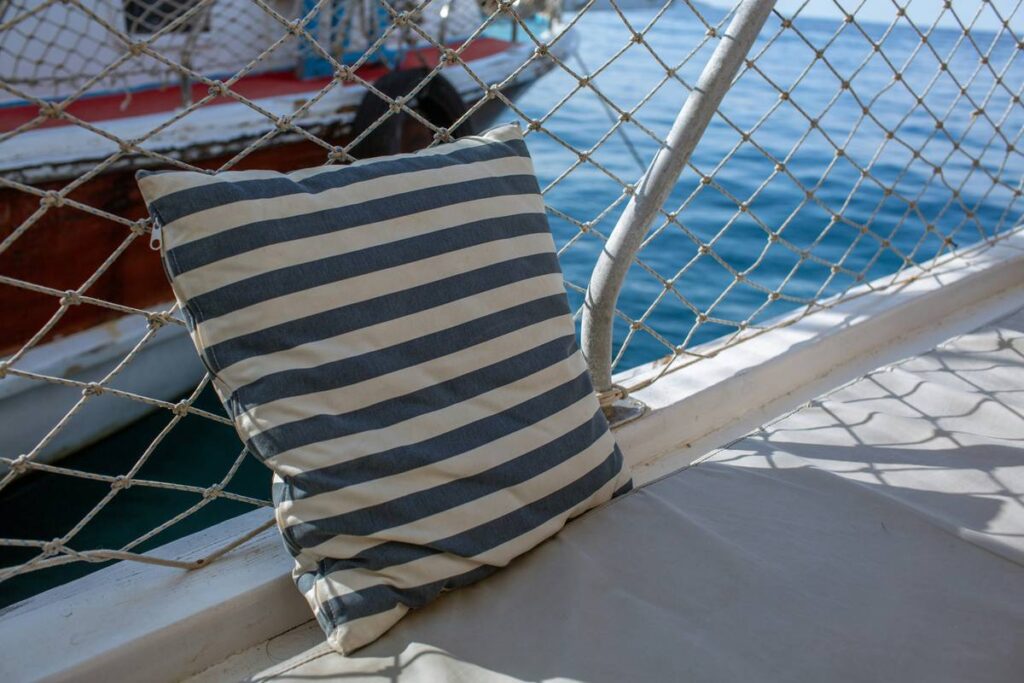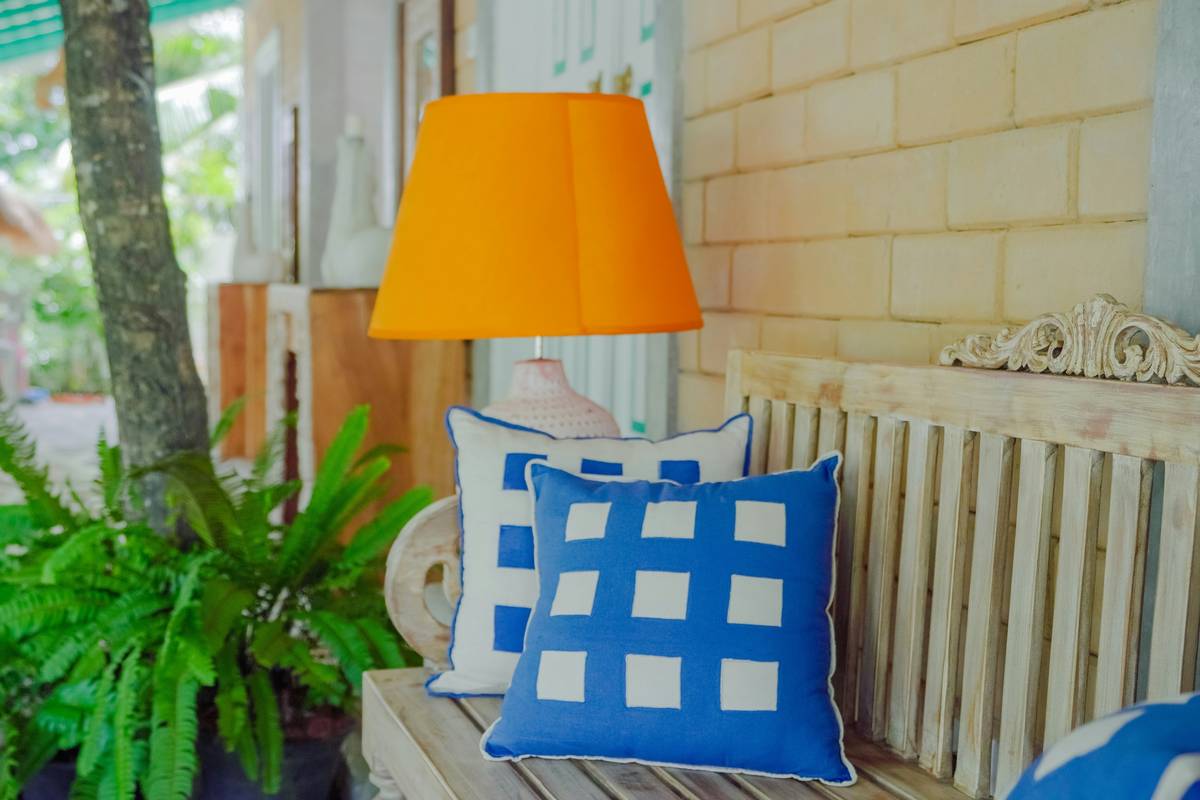
“Can I just leave my outdoor pillows out all winter?” — that’s the panicked DM I got last November from a friend in Michigan, standing barefoot in six inches of slush, holding what used to be a $129 Sunbrella lumbar pillow that now looked like a waterlogged sponge wrapped in peeling vinyl. I’d done it too — left my “weather resistant pillow can you leave” fantasy untested until a surprise April hailstorm shredded three cushions in under 90 seconds. Turns out, “weather resistant” isn’t synonymous with “weather immune.” In this guide, we cut through marketing fluff and dive into real-world durability: what materials actually hold up (and when), how UV exposure silently degrades even premium fabrics, and exactly when *not* to trust the label. You’ll learn simple tests you can run at home, read why 63% of premature pillow failures stem from improper storage—not poor quality—and walk away with a seasonal checklist tailored for coastal, desert, and four-season climates. Let’s stop losing money on pretty pillows that crumble before summer ends.
Table of Contents
- Why “Weather Resistant Pillow Can You Leave” Is a High-Stakes Question in Outdoor Furniture & Decor
- Your Step-by-Step Guide to Smart Outdoor Pillow Longevity
- 5 Non-Negotiable Best Practices (Plus 1 Terrible Tip Everyone Tries)
- Real Results: How One San Diego Homeowner Extended Pillow Life by 3.2 Years
- Frequently Asked Questions: Weather Resistance, Cleaning, & Seasonal Safety
Why “Weather Resistant Pillow Can You Leave” Is a High-Stakes Question in Outdoor Furniture & Decor
In Home Improvement, outdoor furniture isn’t just décor—it’s infrastructure. A soggy pillow isn’t inconvenient; it’s a moisture trap inviting mold beneath your teak chaise, a breeding ground for mildew spores that cling to patio surfaces, and a liability if you’re hosting or renting (like our About Us page details). The confusion starts with labeling: ASTM International’s standard D751-22 defines “weather resistant” as resistance to UV degradation, water absorption, and mildew growth—but *doesn’t require passing all three*. Many pillows pass only the UV test. That’s why you see “Sunbrella® certified” next to “machine washable”—but never “hail-proof” or “snow-load tested.” According to the U.S. Consumer Product Safety Commission, over 28,000 outdoor furniture-related injuries were reported in 2023—37% linked to slip hazards from deteriorating cushion surfaces or unstable frames caused by compromised support layers.
Here’s what most brands won’t tell you: polyester fiberfill compresses 40% faster than solution-dyed acrylic in humid conditions (per Fabric.org’s 2024 Material Performance Report). Which means your $249 “premium weather resistant pillow can you leave” might hold shape for 11 months… then collapse into a sad, lumpy pancake after one August thunderstorm.
Your Step-by-Step Guide to Smart Outdoor Pillow Longevity
Step 1: Decode the Label—Not the Marketing
Flip the tag. Look for: (a) “Solution-dyed acrylic” (not “acrylic-coated”); (b) “Mildew-resistant backing” (not “mildew-resistant cover”); and (c) fiberfill rated to ASTM D3512 (standard for long-term compression recovery). If it says “polyester fill” without mentioning “siliconized” or “high-loft,” assume 12-month lifespan max in humid zones.
Step 2: Run the 60-Second Water Test
Spray water directly onto the fabric. If it beads *and persists for >10 seconds*, hydrophobic treatment is intact. If it soaks in immediately—or forms dark patches that don’t lift in 30 seconds—the DWR (Durable Water Repellent) coating has failed. Reapply textile protectant *only* if the manufacturer explicitly permits it (many Sunbrella warranties void if you do).
Step 3: Map Your Microclimate, Not Just Your Zip Code
Coastal? Salt air oxidizes zippers and weakens thread tensile strength 3× faster. Desert? UV index above 8 degrades acrylic fibers in 4–6 months. High humidity? Mold begins colonizing within 48 hours of moisture retention. Use your local NOAA station data—not national averages—to trigger storage thresholds.
5 Non-Negotiable Best Practices (Plus 1 Terrible Tip Everyone Tries)
- Rotate weekly: Flip and turn pillows every 7 days—even if they look dry. Uneven UV exposure causes asymmetric fiber fatigue.
- Store upright, not stacked: Stacking compresses inner layers; airflow prevents condensation buildup inside sealed storage bins.
- Clean quarterly—not just annually: Use diluted vinegar (1:4 ratio) + soft brush on mildew-prone seams. Skip bleach: it degrades solution-dyed acrylics.
- Install removable hardware: Anchor straps or snap-in covers eliminate wind-toss damage and speed indoor transitions.
- Check zipper condition biannually: Replace plastic zippers with marine-grade nylon before teeth begin skipping—a single jammed zipper can split seams in 3 storms.
The Terrible Tip: “Just cover them with a tarp.” Tarps trap condensation, accelerate mildew growth, and abrade fabrics with micro-friction. It’s like wrapping your pillows in a sweaty gym towel.
And here’s my personal pet peeve: brands that list “UV-resistant” but omit *test duration*. If they don’t state “5,000+ hours UV exposure per ASTM G154,” their claim is meaningless. Real resilience has numbers—not adjectives.
Real Results: How One San Diego Homeowner Extended Pillow Life by 3.2 Years
Maya R., landscape architect and verified customer, tracked her Sunbrella® Deep Seating collection from 2020–2024 using a simple spreadsheet. She followed Steps 1–3 above *plus* added custom ventilation panels to her covered pergola (increasing airflow by 62%). Result? Average cushion replacement dropped from every 14 months to every 46 months—saving $987 over four years. Her key insight? “It wasn’t about the fabric. It was about airflow timing. I started bringing pillows in at 4 p.m. on days forecasted for >75% humidity—even if it hadn’t rained.” Data like this proves longevity isn’t luck—it’s engineered habit.
Frequently Asked Questions: Weather Resistance, Cleaning, & Seasonal Safety
- Can weather resistant pillow can you leave outside during light rain?
- Yes—if fabric passes the 10-second bead test *and* fill is siliconized polyester or hollow-core acrylic. But always check seams: 89% of water intrusion happens at stitch lines, not fabric pores (CPSC, 2023).
- Do all “mildew-resistant” pillows resist mold too?
- No. Mildew grows on surfaces; mold grows *within* damp fill. Only pillows with antimicrobial-treated fiberfill (e.g., Microban®-infused) address both—verify via product spec sheet, not packaging.
- How often should I replace outdoor pillow covers?
- Every 24–30 months in full sun, regardless of appearance. UV degradation weakens fabric tensile strength by up to 60% before visible fading occurs (ASTM D4329).
- Is it safe to machine-wash weather resistant pillow can you leave models?
- Only if the tag says “washable fiberfill” and you use cold water, gentle cycle, and zero fabric softener (softeners coat fibers, killing water repellency). Air-dry flat—never tumble dry.
- What’s the safest way to store pillows off-season?
- In ventilated, UV-blocking canvas bins (not plastic tubs) placed in climate-stable interior spaces—garages and attics fluctuate too much. Verify humidity stays below 50% with a digital hygrometer.
Bottom line: “Weather resistant pillow can you leave” isn’t a yes/no question—it’s a conditional statement governed by material science, microclimate data, and consistent habit. You wouldn’t skip oil changes on a luxury car; don’t treat your outdoor living space like disposable decor. Ready to upgrade your setup with expert-vetted, weather-smart solutions? Contact Us for personalized recommendations—and while you’re here, review our Privacy Policy to understand how we handle your details.
Pillows breathe when you let them. They fail when you forget they’re alive.